Offset Printing Plate Thickness
In the printing industry, the offset printing plate thickness
is a crucial parameter that is not only directly related to the final
quality of the printed product, but also affects the stability and
efficiency of the printing process.
Offset printing plates, such as CTP plate, CTCP plate and PS plate , usually use aluminum sheet as the substrate. These aluminum sheets are classified into various models, such as 1050, 1060, 1070, etc., according to different alloy compositions and uses. These base aluminum sheets have the advantages of low density, high strength, good formability, high hydrophilicity, high stability, etc., which make them very suitable for use as offset printing plates.
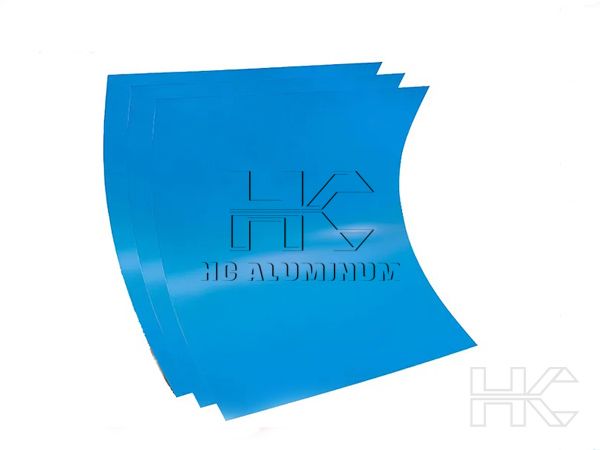
In terms of thickness, offset printing plates
are usually available in the range of 0.13mm to 0.4mm. The selection of
this range is based on a variety of factors, including the performance
of the printing press, the type of print and the nature of the ink.
The impact of offset printing plate thickness on print quality:
1. Ink transfer uniformity
The thickness of offset printing plate directly affects the uniformity of ink distribution on the printing plate. If the offset printing plate is too thin, it may lead to uneven distribution of ink on the offset printing plate, and problems such as dot deformation and paste will occur. On the contrary, if the plate is too thick, although it can increase the adhesion of the ink, it may also lead to ink buildup, affecting the clarity of the print.
2. Printing stability
The offset printing plate thickness is also related to the stability of the printing process. Thicker printing plates in the printing process can better resist deformation, to maintain the layout of the flat, thus improving the stability of printing. The thinner printing plate may be affected by the printing pressure and deformation, affecting the printing quality.
3. Printing efficiency
In high-speed presses, the thickness of the offset printing plate also affects printing efficiency. Thicker printing plate can better adapt to the high-speed printing machine, reduce the plate deformation caused by downtime, improve printing efficiency.
Then, how to choose the
right offset printing plate thickness? Choosing the right thickness of
offset printing plate requires consideration of various factors,
including:
- The performance of the printing machine: different types of printing machines on the printing plate thickness requirements are different, according to the specific performance of the printing machine to choose the appropriate printing plate thickness.
- The type of printed matter: different types of printed matter on the printing quality requirements are different, according to the actual needs of the printed matter to choose the offset printing plate thickness.
- The nature of the ink: the viscosity, fluidity and other properties of the ink will also affect the choice of offset printing plate thickness. It is necessary to adjust the thickness of the plate according to the nature of the ink to achieve the best printing effect.
The offset printing plate thickness
is a non-negligible factor in the printing process. It directly affects
the transfer uniformity of ink, printing stability and printing
efficiency. Therefore, when selecting offset printing plates, it is
necessary to comprehensively consider the performance of the printing
machine, the type of print and the nature of the ink and other factors
in order to select the most appropriate plate thickness. Only in this
way can we ensure that the quality of the printed materials is optimal
and meet the needs of customers.


评论
发表评论